Building web apps is easy. Shipping them properly under a coherent domain structure is not.
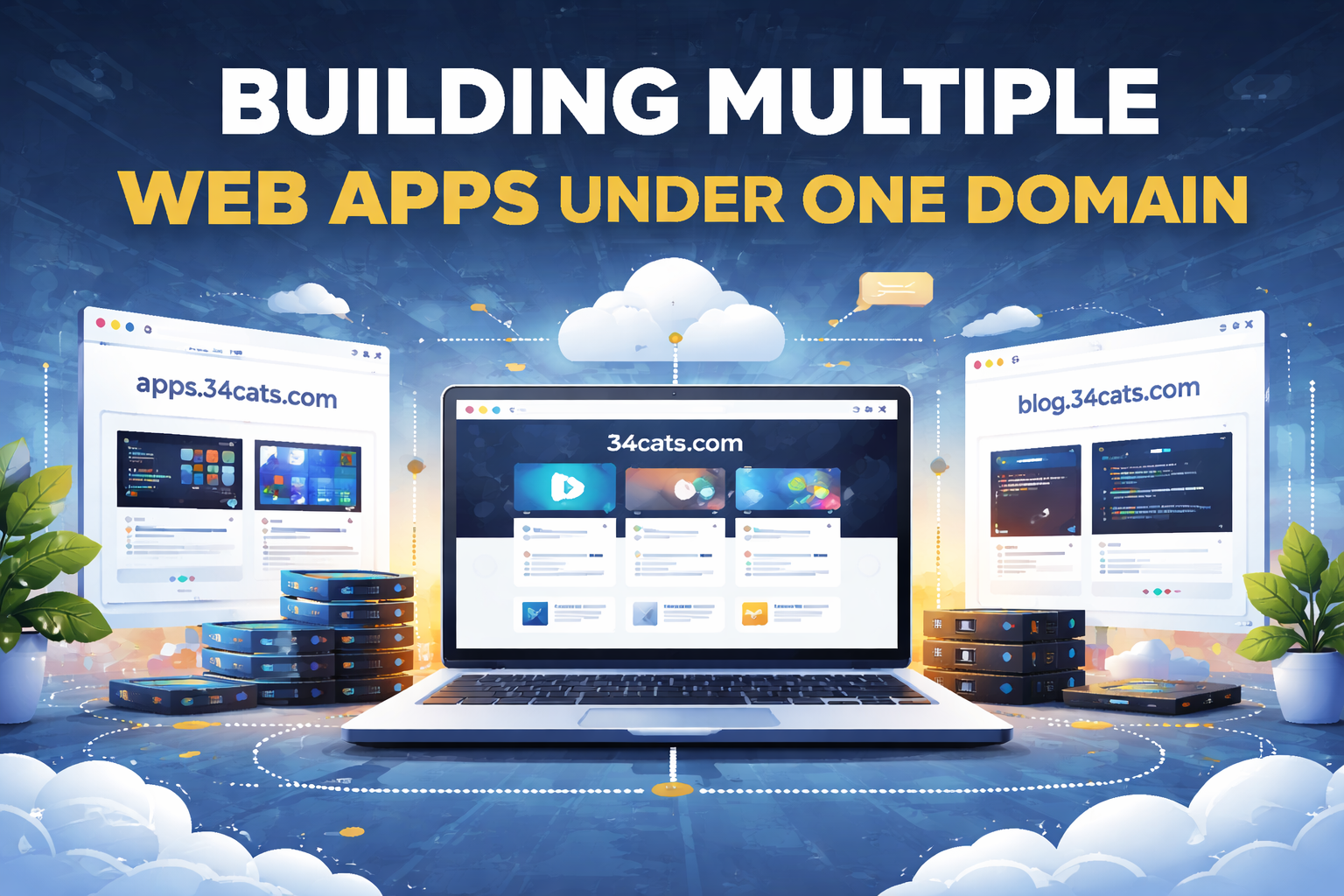
I want to share how I built, deployed, and organized multiple production-ready web apps under a single domain ecosystem, and why this setup matters for scalability, credibility, and SEO.
If you are building projects publicly, this approach helps turn side projects into real digital assets, not just GitHub links.
Why I Chose One Domain With Multiple Subdomains
The core decision was simple:
I wanted one central brand, but multiple focused surfaces.
Instead of scattering projects across random URLs, I structured everything under one parent domain. This creates a clear hierarchy for both users and search engines, while allowing each section to grow independently.
From an SEO perspective, this keeps authority consolidated instead of diluted.
The Three-Part Structure I Use
My setup revolves around three distinct but interconnected parts:
- Main domain – the canonical identity and portfolio
- Apps subdomain – live demos and deployed products
- Blog subdomain – long-form content and explanations
Each serves a different intent, but they are tightly linked together through internal navigation and contextual references.
The Main Domain as the Authority Anchor
The main domain acts as the single source of truth.
It introduces who I am, what I build, and why the projects exist. Every other subdomain links back to it, reinforcing its importance in the site hierarchy.
Search engines like clarity. One clear “home” makes it easier to assign trust and relevance.
Apps Subdomain: Showing Instead of Telling
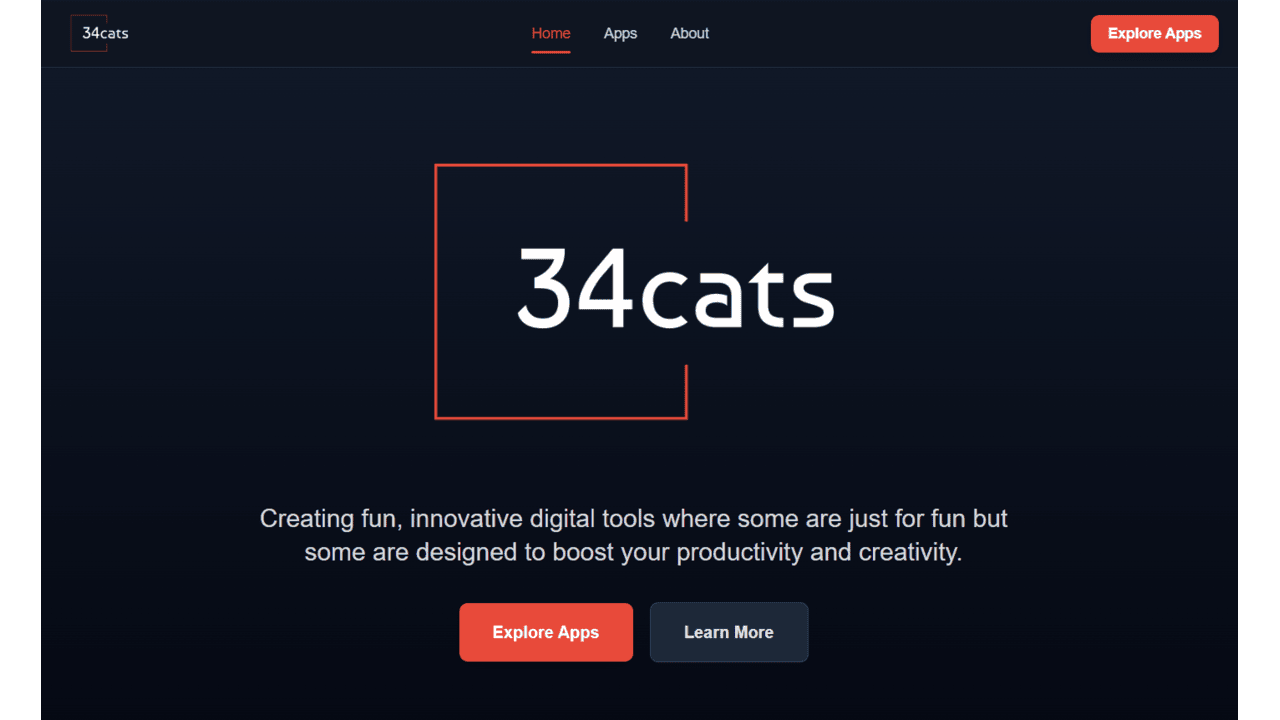 This is where theory turns into proof.
Every serious project lives here, either as a live web application or a detailed write-up if it cannot be deployed. These are not mockups or screenshots. They are working systems with real constraints.
This dramatically improves credibility and engagement.
Blog Subdomain: Explaining the Why and How
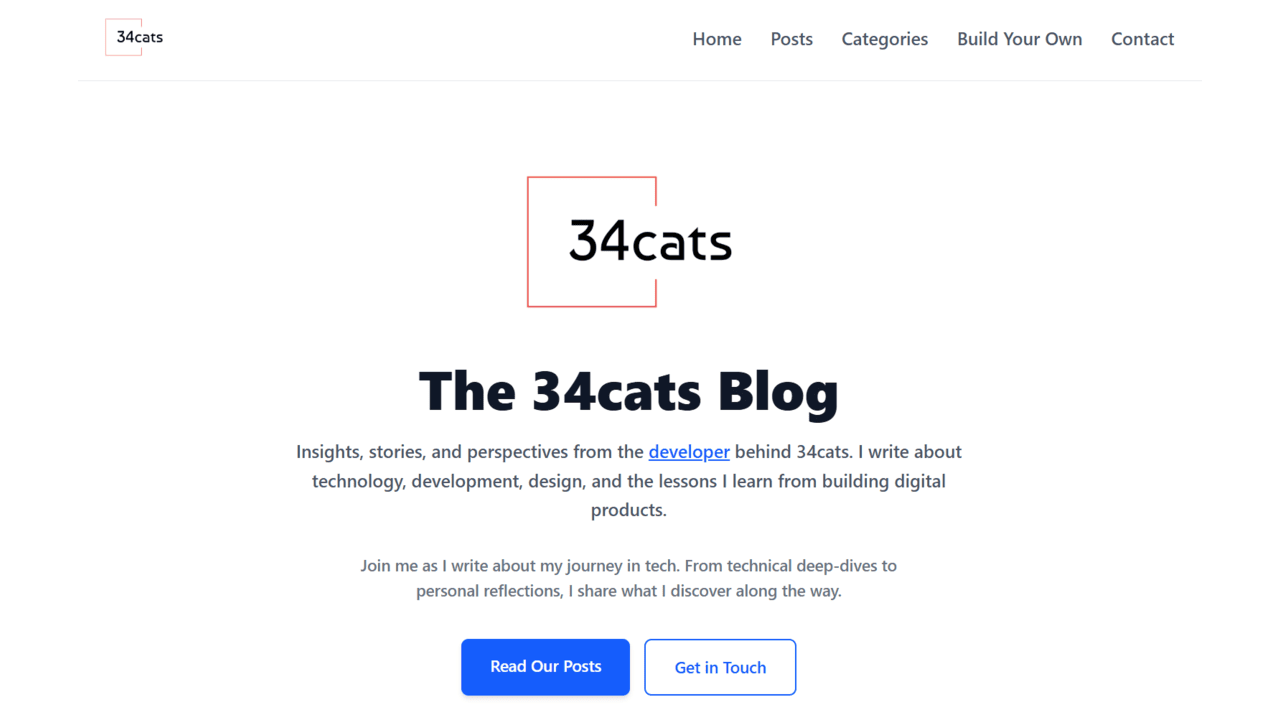 The blog is where I explain decisions, tradeoffs, and lessons learned on top of doing some experimentation with SEO.
This blog will be a key contributor to the domain's ranking and will grow as I complete projects and grow my knowledge.
It is also where my first publicly released project, PawPress CMS, will be live with the latest features and changes.
How Internal Linking Ties Everything Together
Internal linking is not an afterthought in this setup. It is deliberate and structured.
Blog articles link to:
- Relevant live apps as concrete examples
- The main domain as the canonical portfolio
Apps pages link back to:
- Deep-dive blog articles explaining architecture or features
This creates a tight feedback loop that distributes authority naturally.
Why Subdomains Work Well for Production Apps
Subdomains offer clean separation without fragmentation.
Each app can:
- Have its own deployment pipeline
- Scale independently
- Use different stacks if needed
At the same time, everything still lives under one recognizable brand. This is especially useful as projects evolve from experiments into maintained products.
Deployment Strategy and Tooling
Most apps follow a modern deployment pattern:
- Static or hybrid frontends
- Managed databases and authentication
- Edge-friendly hosting platforms
This keeps operational overhead low while maintaining production reliability.
The key lesson is consistency, not complexity.
SEO Benefits of This Structure
From an SEO standpoint, this architecture provides several advantages:
- Clear topical focus
- Strong internal linking signals
- High engagement through live demos
- Content backed by verifiable projects
Instead of chasing keywords, the site builds authority through demonstrated competence, which compounds over time.
Lessons Learned Shipping Multiple Apps
A few hard-earned lessons stand out:
- Shipping beats polishing endlessly
- Real constraints reveal real insights
- Documentation is content if done well
- One strong domain beats many weak ones
These lessons shaped how I structure both my apps and my writing.
Who This Setup Is For
This approach works best if you:
- Build multiple small to medium web apps
- Want a professional portfolio that scales
- Care about long-term SEO, not quick hacks
- Prefer substance over superficial metrics
If you are serious about building in public, structure matters.
Final Thoughts on Building Under One Domain
This is not about aesthetics. It is about signal strength.
By anchoring everything under one domain and supporting it with real projects and thoughtful writing, you turn experimentation into compounding value.
That is how side projects grow into something more durable.